The FBI headquarters in 1971, as COINTELPRO's secrets began unraveling.
COINTELPRO: Unveiling the FBI's Covert Assault on Civil Rights
COINTELPRO, a covert FBI operation from 1956 to 1971, targeted civil rights leaders under the guise of national security. Its shocking tactics, revealed through declassified documents, forever altered the landscape of American civil liberties. This deep dive unveils the enduring legacy of the operation and its modern-day implications.
What Happened
Picture a nation swept with a fervor of transformation, where demands for civil rights echoed through every corner. However, behind closed doors at FBI headquarters, a clandestine warfare was unfolding. The date was October 2, 1956, an unremarkable Tuesday that marked the beginning of a secretive and controversial operation: COINTELPRO. Spearheaded by the dedicated yet enigmatic J. Edgar Hoover, the FBI initiated this counterintelligence program under the veil of national security concerns, aiming to counter the so-called 'subversive' elements of society.
In reality, COINTELPRO was a direct attack on the burgeoning civil rights movements that sought to reshape America. The operation was not just a surveillance mission; it was a calculated effort to destabilize and delegitimize groups pushing for racial equality and social reform. With the Cold War paranoia as its backdrop, the FBI began to view any push for change as a potential Communist threat, and thus a threat to national security.
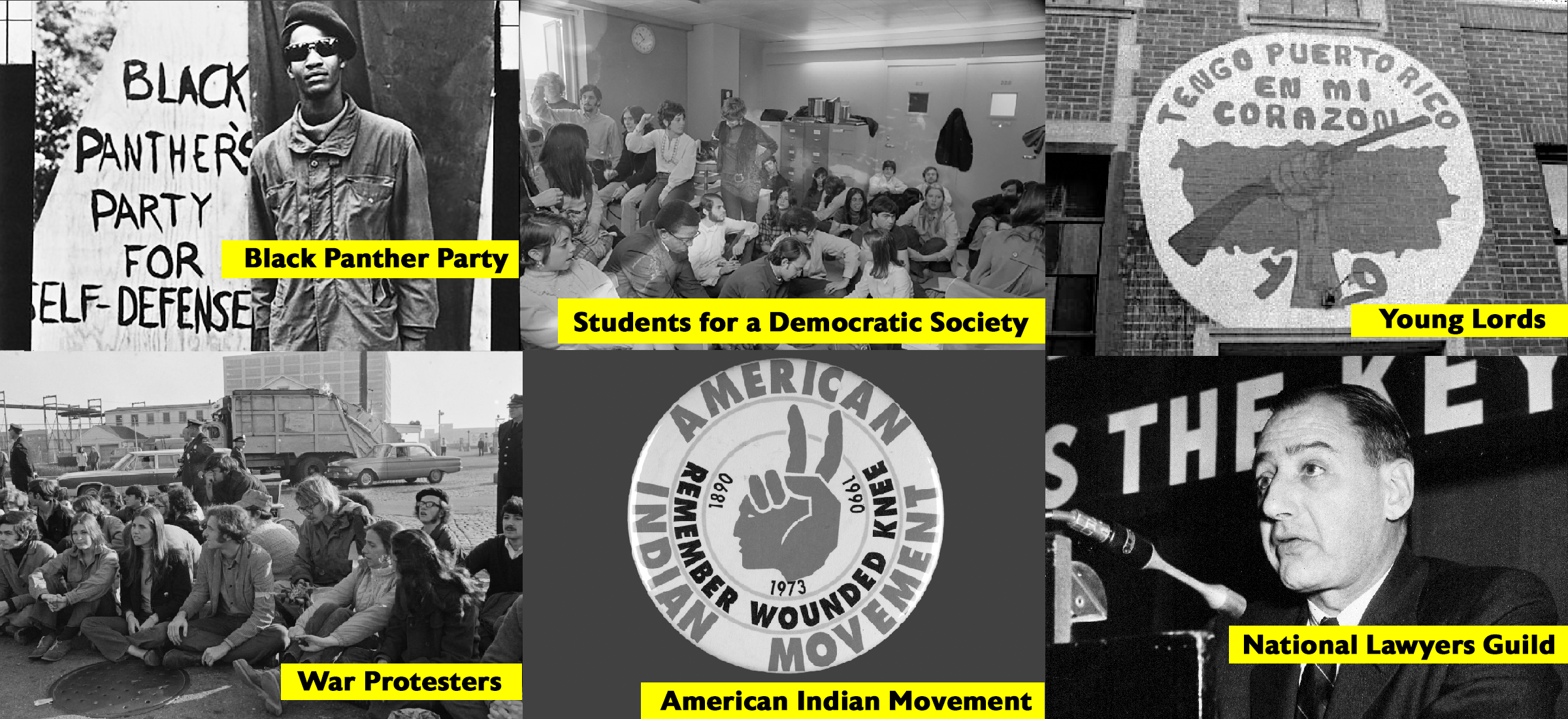
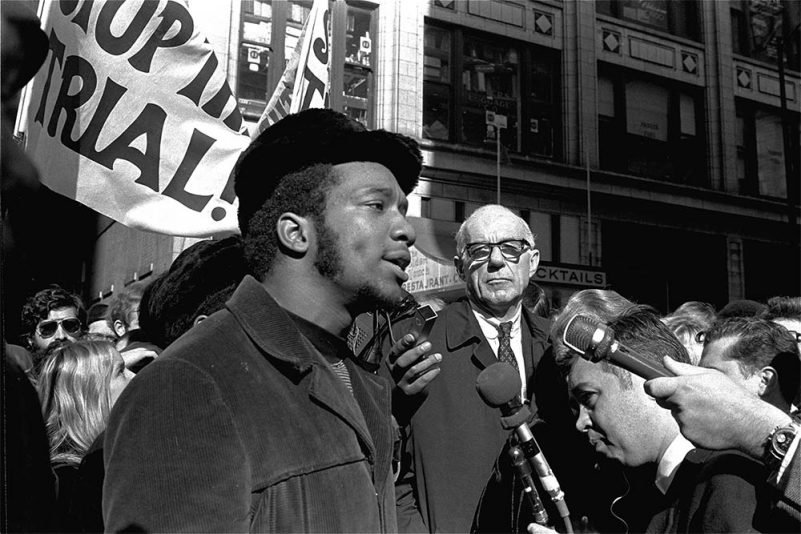
COINTELPRO employed a myriad of tactics designed to sow discord and confusion among these groups. Informants were skillfully embedded within organizations such as the National Association for the Advancement of Colored People (NAACP) and the Southern Christian Leadership Conference (SCLC). Phone lines were tapped, private meetings were infiltrated, and intimate letters were intercepted, all in the name of counterintelligence.
Perhaps the most infamous target of COINTELPRO was Dr. Martin Luther King Jr., whose significant influence and peaceful protests challenged the status quo. Hoover's FBI subjected King to relentless harassment, including the notorious 'suicide letter' – an anonymous, derogatory missive meant to blackmail King into suicide, all linked to COINTELPRO’s efforts to tarnish his image both publicly and within his own community.
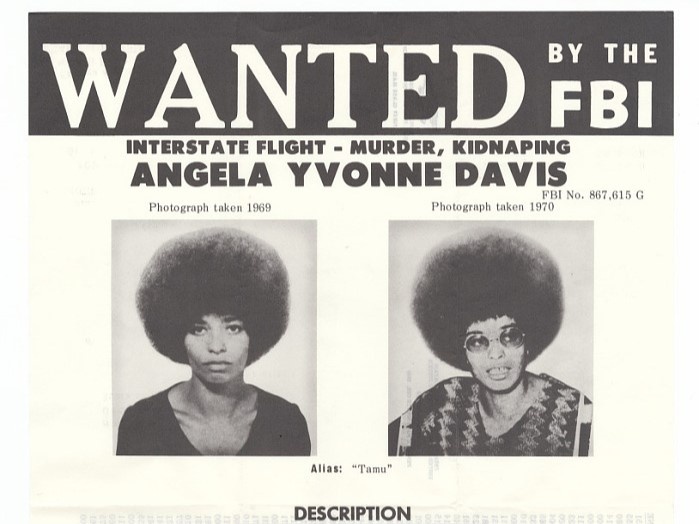
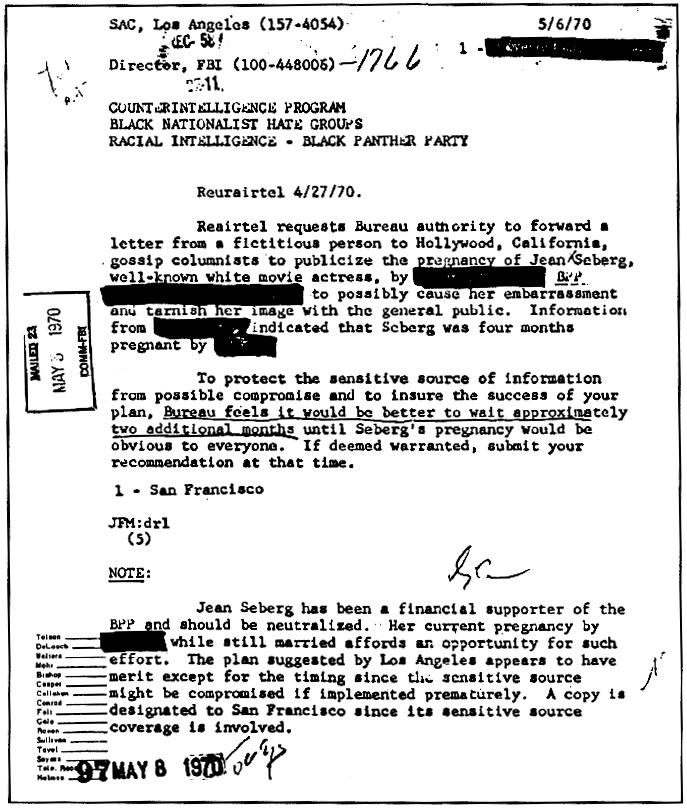
The Black Panther Party also bore the brunt of COINTELPRO's wrath. Labelled as a 'Black Nationalist-Hate Group', the Party faced vicious disinformation campaigns. Its leaders were discredited, and internal feuds were stoked by strategically leaked false narratives, leading to distrust and fragmentation within the movement.
Despite its wide-reaching impacts, COINTELPRO remained shrouded in secrecy until 1971. It was only due to the audacious acts of antiwar activists, who broke into an FBI office in Media, Pennsylvania, that the program was exposed. The documents they uncovered confirmed decades of unlawful surveillance and exposed the FBI's cornerstone role in undermining American civil rights advancements.

Timeline of Key Events

1956 — COINTELPRO is officially launched by the FBI to monitor 'subversive' activities.
1959 — FBI begins intensive surveillance of Dr. Martin Luther King Jr.
1961 — Focus on infiltrating the NAACP after accusations of Communist affiliations.
1963 — The FBI increases wiretaps on Martin Luther King Jr.'s phone to catalogue 'immoral behavior'.
1964 — First 'King suicide letter' is sent, intensifying pressure on King.
1965 — Initiation of undercover operations targeting the Black Panther Party.
1966 — The FBI targets businesses and individuals that support civil rights groups financially.
1967 — COINTELPRO operations expand to include the SCLC and other 'Black Nationalist-Hate Groups'.
1968 — J. Edgar Hoover orders a full-scale smear campaign against King’s upcoming Poor People's Campaign.
1968 — COINTELPRO blames communism for riots following the assassination of Martin Luther King Jr.
1969 — The FBI plants a fake letter within the Black Panther Party to incite internal dissent.
1969 — Fred Hampton is killed during a raid by the Chicago Police Department, allegedly with FBI facilitation.
1971 — Activists reveal COINTELPRO documents, confirming the surveillance activities.
1974 — FBI closes down COINTELPRO operations under public pressure and scrutiny.
1975 — The Church Committee reviews COINTELPRO’s impact and issues a public report.
1976 — The Freedom of Information Act is leveraged to obtain more incriminating COINTELPRO files.
1986 — Key COINTELPRO documents are used in civil rights lawsuits brought against the FBI.
1990 — Ex-agents corroborate in memoirs and interviews the unethical practices used during COINTELPRO.
2002 — Research exposes parallels between COINTELPRO strategies and modern-day surveillance.
2020 — Calls for reparations and comprehensive governmental apologies resurface during civil rights protests.
What Is Documented
COINTELPRO emerged as a documented reality through various declassified reports and congressional inquiries, painting a picture of an agency operating beyond its mandate. When activists discovered the COINTELPRO files in 1971, they uncovered a paper trail of internal memos and directives showcasing the FBI's exhaustive efforts to quelch political dissent.
Declassified documents reveal a systematic blueprint orchestrated by Hoover, designed to 'neutralize King as an effective Negro leader' per a 1963 FBI communique. The same documents uncovered directives to 'uncover and exacerbate tensions' within Black nationalist movements, with an imperative to prevent the 'rise of a messiah' who could unify and electrify these movements nationwide.

The Church Committee's 1975 investigation further solidified these findings, reporting that the FBI not only conducted illicit surveillance but also manufactured evidence to incite discord. The Committee published detailed accounts of calculated psychological warfare tactics — including forged documents, smear campaigns, and strategic media manipulation.
Records detailed the establishment of 'red squads' within police departments across the country, coordinated by COINTELPRO operatives to manage local intelligence gathering and action. This federally inspired network was integrally involved in disrupting grassroots movements and fostering an atmosphere of fear and distrust among activists.
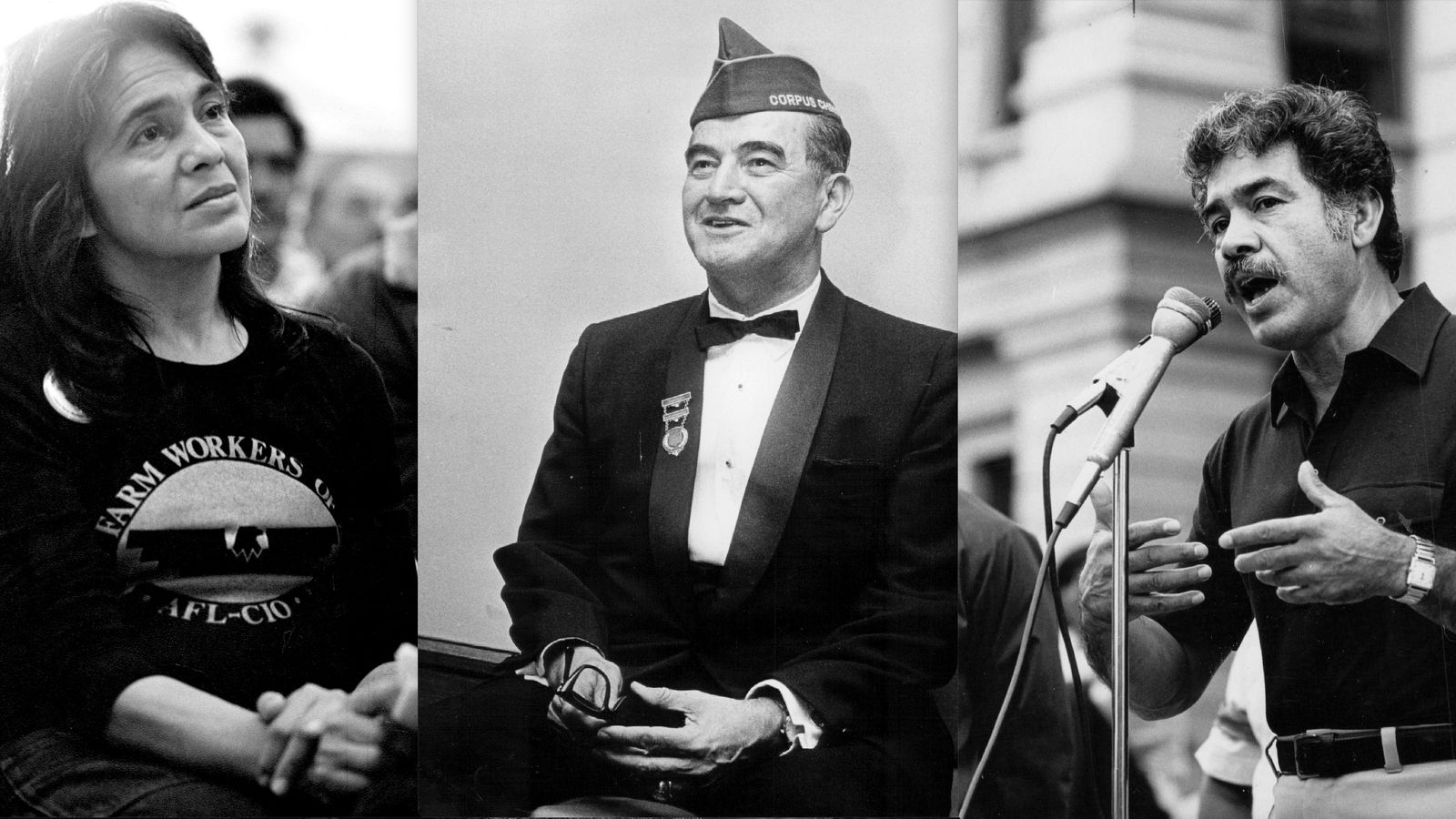
Court transcripts from various civil suits further confirm the FBI's role in violating constitutional rights. These cases unearthed extensive correspondence between law enforcement agencies, cements COINTELPRO’s allegations in the actions that had once been dismissively speculated.
What Has Been Alleged
The breadth of COINTELPRO’s documented operations is substantial, yet certain allegations encapsulate acts of utter depravity that remain woven into discussions about the program. The most insidious of these is the alleged collaboration between the FBI and police in orchestrating assassinations of civil rights figureheads.
Fred Hampton's murder in 1969 is often cited as a critical instance. Allegations hold that the FBI informed the Chicago Police of Hampton’s whereabouts, leading to a raid where Hampton was shot dead while asleep. Former Panther members and family argue that this was not just a police operation but a coordinated effort involving COINTELPRO intelligence.
Another prominent allegation is the psychological manipulation aimed at pushing individuals towards breakdowns or suicides. Letters and memos suggest the FBI targeted the personal lives of activists with brutal psychological pressure as a tool to destabilize them mentally and emotionally. The infamous 'MLK suicide' letter is a prime example of this strategy, wherein the FBI sought to exploit King’s vulnerabilities.
There are also claims regarding the financial sabotage of civil rights groups. Allegations of the FBI sending fake financial reports to create discord within organizations were ubiquitous, but definitive proof remains elusive. Alleged undercover operatives misrepresented funds, posing hurdles for these groups that could lead to financial collapse.
Despite evidence pointing towards foul play, much of COINTELPRO’s dark operations exist in a shadow realm of unproven claims. These chilling allegations, backed by circumstantial evidence, continue to haunt the public consciousness, pressing for additional scrutiny and, for some, closure.
What Remains Disputed
The narrative surrounding COINTELPRO is fraught with contention, particularly when determining the extent of its impact on the civil rights momentum. Government disclosures acknowledge unconstitutional methods, but disputes persist over the program’s ultimate success or failure in achieving its objectives.
Some argue COINTELPRO was pivotal in the disintegration of key civil rights groups, suggesting that many organizations imploded under sustained pressure spearheaded by the FBI. This perspective is bolstered by internal FBI reports claiming operational 'success' in sowing internal dissension and preventing coalition building.
Conversely, others contend that these groups were resilient against such maneuvers. Historians and some activists argue that external socio-political dynamics had more significant roles in determining organizational fates than COINTELPRO efforts alone, positing that some movements survived and thrived due to strong leadership and adaptability.
There's also ongoing debate over the scope of COINTELPRO’s infiltration. Official records provide enough examples to confirm extensive infiltration, yet former agents and analysts argue about the breadth of success achieved in these operations.
These differing interpretations highlight a persistent divide in how the legacy of COINTELPRO is perceived — as either a destructive force with long-lasting impact or as a notorious yet manageable obstacle overcome by determined activists.
What Was Later Confirmed
When COINTELPRO first came to light in 1971, numerous revelations met with vehement denial from the FBI until undeniable evidence emerged from congressional investigations and leaked documents.
The Church Committee hearings of 1975 played a transformative role in shifting understanding and acknowledgment of past denials. These proceedings brought forth testimonies and corroborating documents that confirmed the FBI's role in widespread domestic surveillance operations.
A particularly revealing disclosure was the acknowledgment of the agency's focus on prominent civil rights figures like Martin Luther King Jr. Contrary to earlier FBI claims of acting within legal bounds, documentation confirmed the extensive illegal surveillance and harassment orchestrated against him.

Further confirmations arrived when Freedom of Information Act litigations compelled the release of additional records in the 1980s. These files not only confirmed the previously denied activities but also expanded public knowledge about covert operations against various social movements, including anti-war and feminist groups.
By the late 1990s, official narratives had grudgingly accommodated these truths, catalyzing broader conversations about state surveillance ethics and laying groundwork for legislative safeguards against future rights violations.
Common Myths & Exaggerations
Myths surrounding COINTELPRO have evolved over decades, frequently blending fact with fiction in ways that challenge historical accuracy.
One significant myth posits COINTELPRO as a singular villain in the story of civil rights repression, ignoring the corroborative roles played by local law enforcement and other federal entities. This oversimplification masks the multifaceted nature of government surveillance tactics during that era.
Likewise, the theory that COINTELPRO was a fleeting operation narrowly focused on racial movements contradicts documented evidence. The FBI's counterintelligence scope extended beyond racial lines, targeting anti-war activists, leftist political groups, and even outspoken public intellectuals, presenting COINTELPRO as a larger campaign against wide-ranging dissent.
Another fallacy is the supposed existence of a comprehensive 'black list' detailing all individual targets. In reality, COINTELPRO functioned through dynamic, adaptive targeting influenced by current events and perceived threats rather than a static directory.
Furthermore, some narratives overemphasize the singular racial motives driving COINTELPRO. While racial prejudices undeniably permeated FBI operations, the program equally scrutinized allies and critics of all races through its broader anti-Communist ethos, thus complicating singular thematic interpretations.
Why It Matters
The COINTELPRO scandal underscores crucial dialogues about the balance between security and freedom — a legacy echoing into today's digital age of pervasive surveillance.
Historically, the operation revealed vulnerabilities in oversight mechanisms and galvanized public demands for greater transparency in intelligence agency activities. It led directly to the Church Committee's establishment, producing legislative actions endeavoring to restrict executive overreach and manage clandestine spy operations more judiciously.
In a modern context, COINTELPRO serves as a cautionary tale, fueling contemporary advocacy against potential abuse of surveillance technology by state entities under the guise of 'national security'. Echoes of COINTELPRO's infiltration tactics emerge in debates over current US surveillance laws, reminding us of the exigency in safeguarding civil liberties amid expanding government capabilities.
The operation remains a poignant chapter in America's ongoing narrative about democracy's resilience and the necessity for vigilant public oversight over governmental powers. It raises awareness about how vulnerable reform movements can be when subjected to state-sanctioned intrusions and underscores the need for accountability and protective legal frameworks.
Amid modern discussions on privacy and civil rights, COINTELPRO exemplifies a historical lesson in the enduring struggle for equity, urging vigilance to ensure that progress isn’t stifled by secretive, unchecked forces. The fight for transparency and civil liberties continues, driven by the shadows left by COINTELPRO’s revelations.
Connections to Other Archive Entries
COINTELPRO is linked to other covert surveillance programs, such as Operation CHAOS run by the CIA, both featuring domestic surveillance with minimal oversight.
The program's methodologies resonate in the post-9/11 era, where increased domestic intelligence operations evoke comparisons to COINTELPRO tactics. These parallels highlight persistent tensions between public safety and personal freedoms as technology evolves.
COINTELPRO’s exposure contributed to significant intelligence policy shifts, influencing legislative measures like the Foreign Intelligence Surveillance Act (FISA), designed to regulate government surveillance and protect civil liberties in a new era of state power scrutiny. The parallels offer lessons on the maintenance of democratic values amidst fluctuating security imperatives.
Sources & References
PRIMARY SOURCES
SECONDARY SOURCES
The Hidden History Archive is part of The Beacon Wire entertainment and informational platform. All archive articles are based on public sources, declassified documents, court records, and reputable journalism. Facts are clearly separated from allegations, disputed claims, and unsupported speculation. Nothing in this archive should be interpreted as legal advice or as incitement to harm. Readers are encouraged to consult primary sources directly.
We use cookies to improve your experience and analyze site usage. See our Cookie Policy for details.