An FBI field office in the 1960s, where covert operations like COINTELPRO were orchestrated. Photo credit: Wikimedia Commons
Spying on Justice: The FBI's COINTELPRO and the Civil Rights Movement
Throughout the 1960s, the FBI ran COINTELPRO, a covert operation aimed at the civil rights movement. With methods that included infiltration and discreditation, this program revealed a dark chapter in American history. How did a government agency become an antagonist against its own citizens advocating for equality?
What Happened
October 2, 1956 — a fateful memo silently circulates through the offices of the Federal Bureau of Investigation. It's an internal directive, signed off by none other than the powerful J. Edgar Hoover. This document quietly sets into motion one of the most insidious domestic surveillance programs in American history: COINTELPRO.
The Counter Intelligence Program, better known by its shorthand COINTELPRO, at its heart was a blueprint for covert action. Its target? Any group or individual labeled as a threat to the 'status quo,' with a particular focus on the rising tide of the civil rights movement. It was a time when the nation was grappling with its conscience, torn between a past marred by racial discrimination and a future yearning for equality and justice.
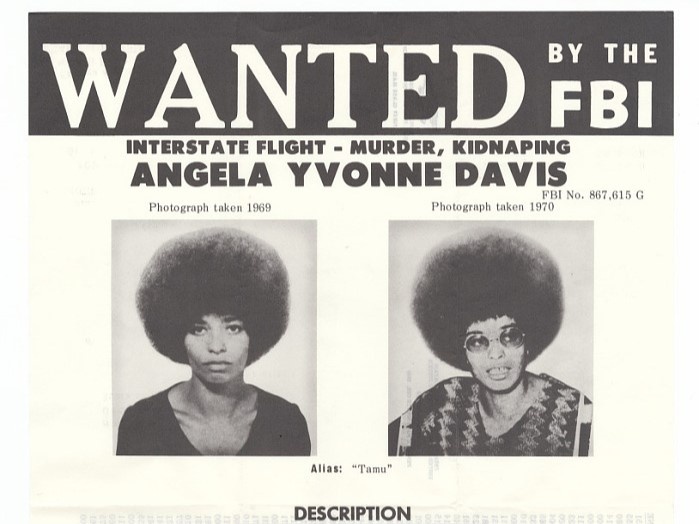
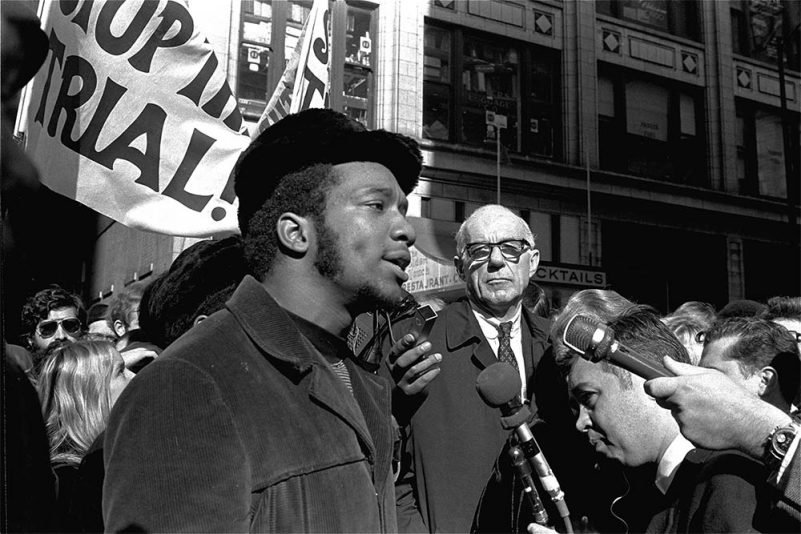
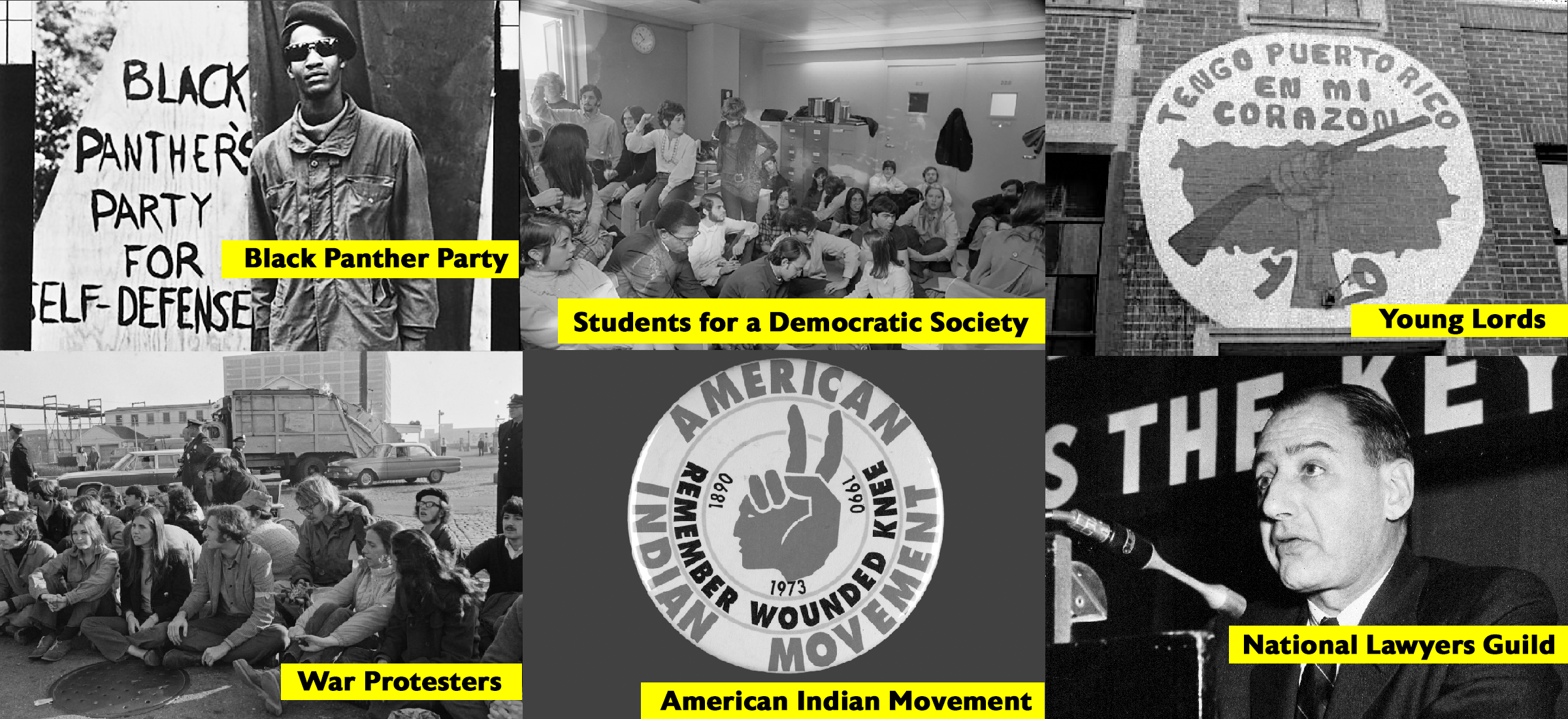
Civil rights activists, unwittingly challenging the entrenched segregation in America, found themselves under an unusual form of surveillance — one that involved more than mere observation. The program seeped into the lives of activists like Martin Luther King Jr., surveilling, infiltrating, and even sowing discord within their ranks. Black leaders and civil rights groups were derogatorily labeled as 'subversive,' a convenient rationale that allowed the FBI to wield its immense power as it saw fit.
Under the guise of national security, the FBI engaged in acts of subterfuge that included intercepting correspondences, planting false media stories, and exploiting internal rifts in activist groups. Entrapment and psychological warfare were not off-limits. One of the most damning tactics was the attempt to discredit leaders through fabricated documents and scandalous rumors, further dividing and desensitizing an already fractured society.
Madness had a method, and COINTELPRO's was a cynical manipulation of the very freedoms it claimed to protect. In one brazen instance, a letter sent to Dr. King by the FBI sought to push him toward suicide by threatening to expose alleged personal misdemeanors. This chilling act underscores the extremes to which the agency went to silence dissent.
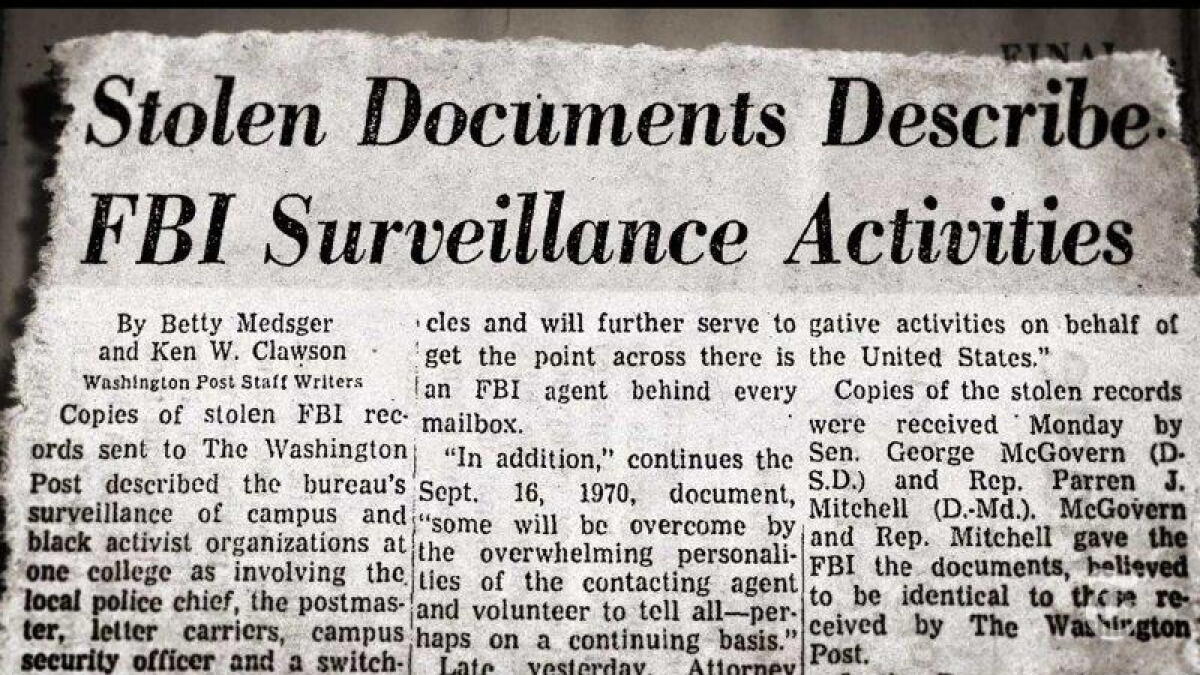
For years, the American public remained blind to these covert operations, with truth trickling into the public domain only when the curtain on COINTELPRO was dramatically torn down in 1971. But by then, much of the damage was irreparable, casting long shadows over the trust between a government and its people.

Timeline of Key Events

1956 — COINTELPRO launched by the FBI to monitor 'subversive' activities.
1959 — Surveillance intensifies on NAACP and civil rights leaders.
1961 — Freedom Riders are under constant observation.
1963 — Dr. King's 'I Have a Dream' speech draws FBI criticism.
1964 — COINTELPRO targets the Congress of Racial Equality (CORE).
1965 — Surveillance on Malcolm X extends until his assassination.
1966 — Black Panther Party subjected to infiltration operations.
1967 — J. Edgar Hoover designates the Southern Christian Leadership Conference as a target.
1968 — FBI memos disclose tactics of using informants within civil rights groups.
1969 — University campuses are monitored for radical leftist influence.
1970 — Surveillance evidence leads to arrests of Student Nonviolent Coordinating Committee (SNCC) members.
1971 — COINTELPRO operations against anti-Vietnam War activists.
1971 — FBI’s burglary in Media, Pennsylvania, exposes COINTELPRO.
1972 — The Church Committee begins investigating FBI abuses.
1973 — Official closure of COINTELPRO announced.
1975 — Church Committee hearings publicly reveal the scale of FBI surveillance.
1976 — COINTELPRO practices severely criticized in final Church Committee report.
1980 — Civil rights groups demand FBI accountability for COINTELPRO actions.
2000 — Declassified documents continue to surface, revealing more about the program's scope.
2020 — Ongoing studies by historians reveal the lasting impact of COINTELPRO.
What Is Documented
COINTELPRO, operational from 1956 to 1971, was an authorized FBI program aiming to surveil, infiltrate, and undermine groups deemed as politically dissident. Declassified documents reveal COINTELPRO's tactics included widespread wiretapping and infiltration, often without legal approval.
Key congressional hearings, particularly those led by the Church Committee in 1975, exposed the FBI's extensive abuse of its power. The Committee’s investigations produced a detailed report highlighting how COINTELPRO violated constitutional rights, including the First Amendment's guarantees of free speech and assembly.

FBI records obtained through the Freedom of Information Act (FOIA) illustrated how the Bureau fabricated documents and spread misinformation to tarnish the reputations of civil rights leaders and create disarray within their ranks. J. Edgar Hoover personally signed off on many of these operations, reflecting his deep distrust of any movement seeking systemic change.
The memos circulated within the FBI outlined specific goals: "to expose, disrupt, misdirect, discredit, or otherwise neutralize" targeted organizations and individuals. This language, concrete and shocking, is preserved in memos now available in the FBI Vault and parts of the National Security Archive.
The infamous FBI letter to Martin Luther King Jr. exemplifies the coercive intent of COINTELPRO. Sent anonymously, the letter threatened exposure and public humiliation, urging King to commit suicide to shield his personal life from public disgrace.
These documented facts lay bare the extent of how COINTELPRO not only overstepped legal boundaries but also sought to redefine them, placing civil rights under something akin to siege.
What Has Been Alleged
Despite extensive documentation, several aspects of COINTELPRO remain steeped in allegation rather than confirmed fact. Critics have claimed that the program extended its operations to include outright assassination plots against civil rights leaders, although these claims remain unproven.
Notable allegations include the assertion that COINTELPRO operatives were involved in instigating violence at otherwise peaceful protests to discredit civil rights activists. There are claims, particularly documented in activist biographies, suggesting that FBI agents disguised as protestors often acted provocatively, ultimately leading to riots and increased public distrust in the civil rights movement.
Numerous civil rights organizations assert that their systematic dismantling was not merely incidental but the result of calculated operations designed to inflict long-term damage. For instance, the targeting of the Black Panther Party remains highly contentious. Alleged infiltrators within the group arguably played pivotal roles in heightened internal conflicts and deadly confrontations between Black Panther factions.
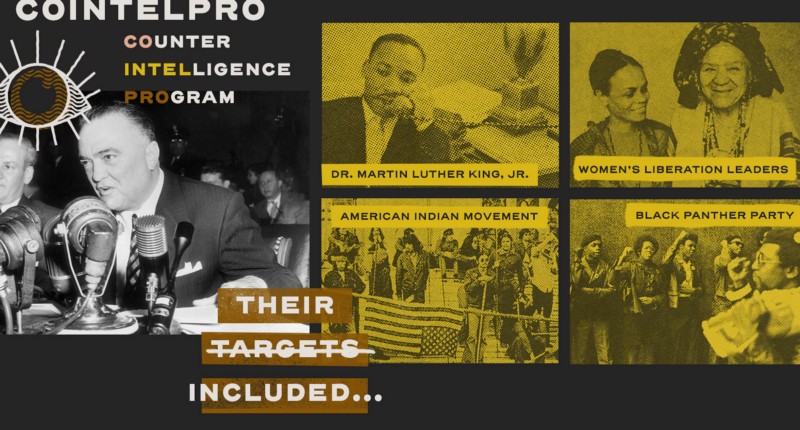
Further allegations center around the psychological tactics employed by the FBI. Activists claimed that the Bureau's M.O. included sowing paranoia, distrust, and rifts through disinformation campaigns. The proliferation of faked news articles and rumors aimed to sabotage public support for civil rights causes and leaders alike.
These allegations, supported by anecdotal evidence and statements from former activists and informers, serve as a stark reminder of the program's potential reach and enduring legacy. Yet, the full scope of these claims remains historically disputed due to the inherently secretive nature of COINTELPRO's operations.
What Remains Disputed
The cloak of secrecy surrounding COINTELPRO naturally fueled a variety of conflicting accounts and interpretations. Official narratives provided by the FBI have frequently contradicted those presented by independent researchers and activists, leading to a pattern of disputes.
One such contention involves the targets of COINTELPRO. While the FBI maintained that its operations were limited to organizations posing a legitimate threat to national security, civil rights groups counter that the program systematically sought to undermine any group advocating for racial equality, regardless of its methodologies.
Historians and civil rights scholars have also disputed the FBI's portrayal of COINTELPRO's success in suppressing 'violent subversion.' Instances of violence attributed to civil rights groups, such as FBI claims of intentional incitement, have often been interpreted as projects of self-defense or reaction to agent provocateur acts.
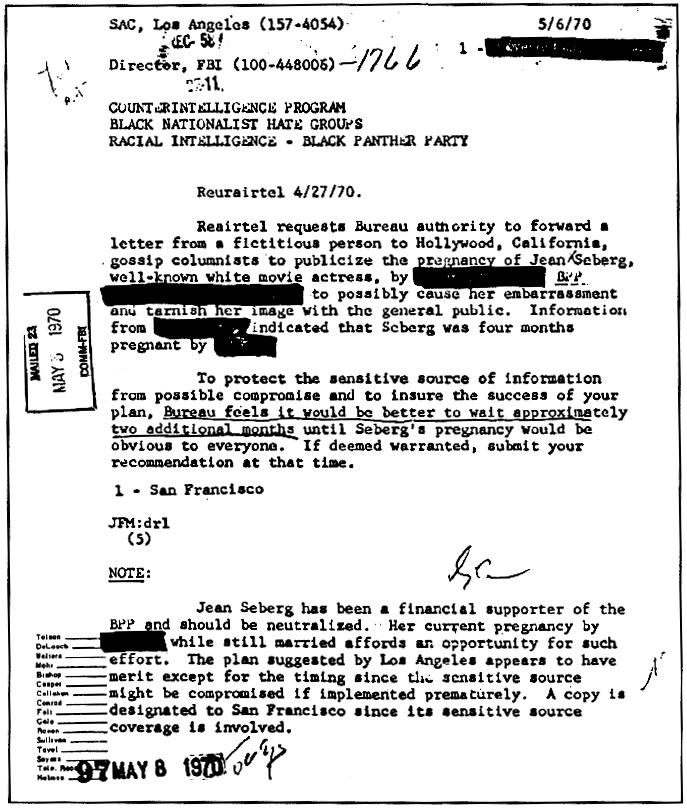
Further disputes arise from the alleged use of excessive surveillance methods. While official accounts stress minimal infringement of personal rights, various testimonies from former FBI officials suggest otherwise. These testimonies, though not officially recorded, provide glimpses into a culture of overreach and systemic abuse.
Such unresolved disputes highlight the complex historiography of COINTELPRO, leaving the quest for objective truth mired in contrasting human recollections and nameless archival tomes.
What Was Later Confirmed
Initial denials of COINTELPRO's operations were eventually overturned by declassified documents made public in the 1970s. The original exposure came thanks to the Citizens' Commission to Investigate the FBI, whose infamous raid on an FBI field office in 1971 revealed crucial documents.
These documents confirmed that COINTELPRO specifically targeted Martin Luther King Jr., using FBI surveillance to attempt to discredit and humiliate him. The declassification of these records overturned previous FBI rhetoric that downplayed the scope of their operations against Dr. King and other civil rights activists.
Further confirmation arose during the Church Committee hearings in 1975. Testimonies from former FBI agents under oath painted a detailed picture of COINTELPRO’s deep infiltration into civil rights organizations. This public acknowledgment of covert activities contradicted past claims that the FBI had operated within legal parameters.

The release of newly declassified FBI surveillance files in the early 2000s and beyond continued to affirm COINTELPRO’s vast reach, revealing a mosaic of operations far more extensive than originally admitted. Such confirmations began reshaping public understanding of how intertwined the FBI’s actions were in the social fabric of the 1960s and beyond.
Common Myths & Exaggerations
Multiple myths have emerged surrounding COINTELPRO, often blurring the line between fact and fiction. One prevalent myth asserts that COINTELPRO was purely a response to communist threats, neglecting the program's active measures against domestic civil rights organizations not associated with communism.
Another exaggerated belief is that COINTELPRO's revelations were entirely new during the 1970s. In truth, some activists suspected FBI interference long before it was publicly confirmed. Yet, their concerns were frequently dismissed as paranoia.
A frequently circulated falsehood suggests COINTELPRO's tactics never extended beyond surveillance, yet documented evidence irrefutably shows the FBI’s active disruption schemes against peaceful assemblies and their leaders.
There also exists a persistent misconception that COINTELPRO ended with the closure of the official program in 1971. However, elements of domestic surveillance continued operations under different guises well into the subsequent decades, devoid of the same public scrutiny.
These myths, persistent in cultural memory, often detract from the significant political and social damage truly wrought by COINTELPRO’s factual history.
Why It Matters
The COINTELPRO saga is a powerful cautionary tale about government overreach and the erosion of civil liberties under the guise of national security. It set legal precedents regarding the limits of government surveillance and the need for transparency in intelligence activities.
This dark chapter highlights the vulnerabilities within democratic systems where checks and balances are undermined. The revelations from COINTELPRO prompted a national discourse on individual freedoms, leading to legislative reforms intended to curtail the potential for abuse of surveillance powers.
These historical events resonate with contemporary challenges where civil liberties continue to be juxtaposed against national security in the realm of digital surveillance. The ethical questions first raised during COINTELPRO's exposure about privacy rights versus security needs echo today in debates over data collection and government oversight.
Furthermore, COINTELPRO's story serves as a crucial reminder of how state systems can be manipulated to suppress genuine calls for social change. It emphasizes the importance of vigilance and advocacy in protecting the rights of agitators and minority voices seeking legitimacy within the democratic discourse.
Ultimately, COINTELPRO's narrative is not just a historical footnote but a living dialogue, urging awareness, reflection, and reform in continuing the quest for equitable justice today.
Connections to Other Archive Entries
COINTELPRO’s legacy is intimately connected to other surveillance programs like PRISM and NSA-related monitoring, continuing the conversation on privacy, security, and state power.
Historical ties link COINTELPRO to initiatives such as MKULTRA, wherein governmental distrust and invasive tactics were similarly applied covertly against perceived threats during overlapping eras.
The impact and methods of COINTELPRO also find connections in the USA PATRIOT Act's legal provisions, which expanded state surveillance post-9/11, drawing parallels in concerns about state overreach and personal privacy.
These connections illustrate both a continuum and escalation of surveillance strategies, reflecting an ongoing tension between individual freedoms and government-controlled security.
Sources & References
PRIMARY SOURCES
SECONDARY SOURCES
The Hidden History Archive is part of The Beacon Wire entertainment and informational platform. All archive articles are based on public sources, declassified documents, court records, and reputable journalism. Facts are clearly separated from allegations, disputed claims, and unsupported speculation. Nothing in this archive should be interpreted as legal advice or as incitement to harm. Readers are encouraged to consult primary sources directly.
We use cookies to improve your experience and analyze site usage. See our Cookie Policy for details.