
Historical photo of CIA headquarters, emblematic of Cold War espionage and Project Stargate's secretive investigations, captured in the 1970s.
Project Stargate: Unveiling the CIA's Psychic Spy Experiments
In the midst of Cold War tensions, the CIA embarked on Project Stargate, seeking to explore and harness psychic abilities for strategic espionage. This documentary delves into the shadowy corridors of this controversial program, revealing unprecedented ambitions, startling findings, and the profound implications that still echo today.
What Happened
The story of Project Stargate begins under the cloak of Cold War paranoia. It was 1972 when the CIA, skittish about Soviet advancements in mind control and psychic phenomena, embarked on an audacious journey — to explore the far reaches of human consciousness and psychic abilities as tools for espionage. This marked the inception of Project Stargate at the Stanford Research Institute (SRI), a venture cloaked in secrecy and shrouded in the strange and unexplained mysteries of the mind.
The project was spearheaded by physicists Hal Puthoff and Russell Targ, who joined forces with Ingo Swann, a self-professed psychic. Their objective: harness remote viewing — the purported ability to visualize distant locations and gather intelligence through extrasensory perception. This method, although scientifically unproven, offered tantalizing possibilities in a world where information was power, and strategic advantage was often dependent on what one's opponent could not see.
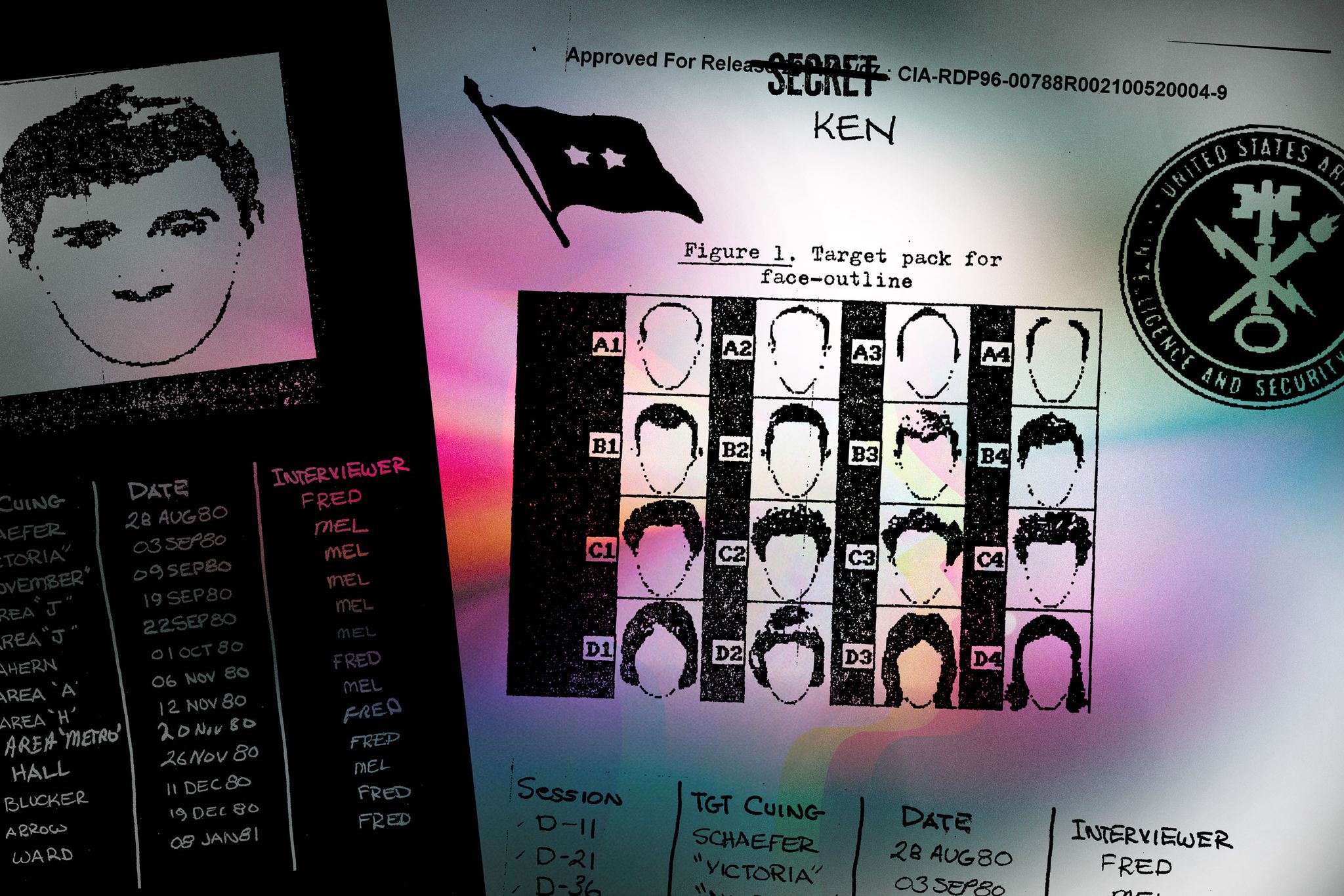
The experiments were precise, yet surreal. Participants, often sequestered in rooms without visual distractions, were asked to describe in detail locations they had never seen, pinpointing objects and activities occurring miles away from their present location. At times, the results were astoundingly accurate. Ingo Swann’s descriptions of submerged Soviet submarines and secret bases seemed almost supernatural, enough to convince certain factions within the CIA of the potential merits of these psychic investigations.
However, Stargate was not without its challenges. Over time, the boundaries of believability were tested as experiments yielded inconsistent results and skepticism mounted. Critics within the agency questioned the validity of the findings, citing the lack of scientific rigor and repeatability as glaring issues. Despite these challenges, the program persisted, albeit under various guises and operational names, continually shifting between different branches of military and intelligence agencies as they pursued operational utility in the program.
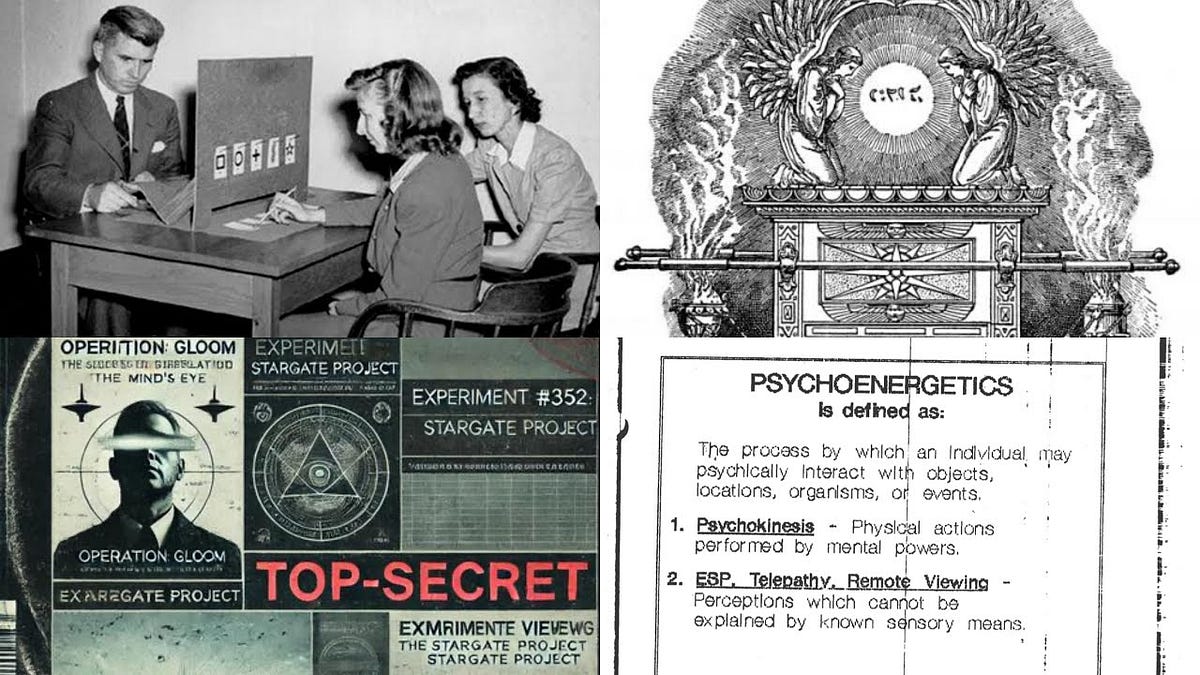
Funding waxed and waned, driven by the tides of geopolitical tensions. At the height of the program, psychics were reportedly used to locate hostages, penetrate military installations, and even assess the health of strategic foreign leaders. Although many missions were deemed failures, the occasional hit was enough to keep the embers of interest smoldering.
Ultimately, the program's decline was hastened by a shift in political climates and a growing prioritization of conventional intelligence methods over unconventional approaches. By 1995, Project Stargate was officially terminated. Declassification of documents in the ensuing years provided glimpses into a world where the limits of human capability were tested, laying bare the inner workings of an initiative that often bordered on science fiction. Yet, for some, the story of Project Stargate continues to provoke questions about the untapped potential of the human mind, and what boundaries, if any, it cannot transcend.

Timeline of Key Events

1972 — The CIA commissions research on psychic phenomena at Stanford Research Institute (SRI).
1973 — Physicists Hal Puthoff and Russell Targ conduct initial remote viewing experiments.
1974 — Psychic Ingo Swann joins the project, contributing significant remote viewing results.
1975 — Funding increases under growing Cold War tensions as the program gains strategic interest.
1976 — Officially codified as 'Project Stargate', denoting ongoing research initiatives.
1977 — Reported successes include accurate descriptions of overseas Soviet military installations.
1978 — Internal debates surface about the reliability and accuracy of remote viewing findings.
1979 — The program sees a shift with more direct involvement from the Department of Defense.
1980 — A new wave of recruitment, including military personnel trained in remote viewing.
1982 — Significant studies, such as the ‘Grill Flame’ project, test standardized remote viewing protocols.
1983 — Internal CIA memos reflect growing skepticism on remote viewing's operational impact.
1984 — American Institutes for Research evaluates the scientific merit of Stargate findings.
1985 — First major budget cuts as part of wider CIA financial reviews.
1987 — Psychological analyses challenges psychics' claims in internal critiques.
1988 — Additional military applications explored, such as tracking fugitives.
1990 — Post-Cold War era scrutiny considers winding down of project.
1991 — Stargate faces increased budgetary and strategic evaluations.
1993 — CIA consolidates ongoing research under new departmental oversight.
1994 — Ongoing doubts lead to critical decisions pending on project viability.
1995 — Comprehensive evaluation concludes insufficient evidence for continued operations.
1995 — Official cancellation of Project Stargate, with files partially declassified afterwards.
What Is Documented
Project Stargate was legitimized by official CIA documentation when it began in earnest in 1972, highlighting the commencement of a somewhat unusual partnership between the intelligence community and private scientific investigators at SRI. This collaboration was borne from Cold War fears that the Soviets were outpacing the U.S. in paranormal spy capabilities.
Under the guidance of Hal Puthoff and Russell Targ, professors with a penchant for exploration beyond conventional science, initial documented experiments focused on remote viewing. The 1973 Congressional records reveal a briefing where these physicists discussed early successes, spurring further CIA funding allocations.
A 1975 memo from CIA operative, Kenneth Kress, outlined how experimenter bias and lack of controls in methodology were significant challenges, leading to reviews that sought to standardize experimental conditions.
In 1977, a report evaluating Stargate's spy-focused endeavors cited a noted psychic’s detailed descriptions of a remote military airbase, further substantiated by satellite imagery verification. This corroboration provided temporary reassurance of the project's potential strategic value, according to the declassified document.

By mid-1980s, documented budget examinations indicated financial strains with fiscal reallocations to more promising intelligence technologies. Yet, the program persisted through various bureaucratic reshuffles, evidenced by diverse operational codenames like ‘Grill Flame’ and ‘Sun Streak’ as detailed in defense department files.
Significant financial investments continued until a decisive 1995 evaluation by the American Institutes for Research concluded that remote viewing had not yielded actionable intelligence, thus shuttering the program. This assessment was backed by rigorous scientific analysis and captured in CIA internal documentation, highlighting definitive cessation conclusions.
Declassified archives expose a fascinating confluence of ephemeral successes amid enduring failures. Yet, within these formal files emerged a portrait of an agency willing to explore every conceivable edge, however unconventional, in the vast arena of intelligence collection.
What Has Been Alleged
Despite the documented evidence, a number of allegations have persisted, portraying Project Stargate as more than just a fringe curiosity. Some program insiders, such as physicist Dale Graff, have alleged that remote viewing outcomes were more substantial and strategic than publicly acknowledged.
There are claims that, through remote viewing, the U.S. government gleaned insights into Soviet technological advancements that were impossible to gather by conventional means alone. However, supporting documents for such direct significant outcomes remain elusive, leading to persistent skepticism.
Remote viewers such as Joe McMoneagle have alleged in personal accounts that they were involved in major clandestine operations beyond the acknowledged missions — activities that remain classified or obfuscated in existing declassified materials.

Moreover, some allegations claim that political and bureaucratic agendas within the CIA were at odds, leading to discredit of real remote viewing successes for reasons of maintaining control over intelligence narratives. Whistleblowers from similar intelligence efforts claimed deliberate efforts to downplay psychic contributions, obscuring achievements in complex bureaucratic language.
A less frequent but noteworthy allegation suggests that the program not only aimed to extract intelligence but attempted to influence foreign operatives through psychic means, although these theories lack substantial backing and remain within speculative discourse.
These allegations, while tantalizing, highlight the ongoing ambiguity around the operational successes versus failures of Project Stargate and continue to fuel debates over what the CIA actually achieved in those clandestine psychic experiments.
What Remains Disputed
The scientific community and intelligence evaluators have long disputed the veracity and utility of remote viewing, leading to substantial debate over the years. Key figures in the field of psychology, such as David Marks, argued against the psychic phenomenon, pinpointing serious methodological flaws in the way experiments were conducted.
One significant contested point is the interpretation of remote viewing 'hits.' Proponents attribute successes to psychic acuity, while skeptics cite confirmation bias, selective reporting, and statistical noise. These discrepancies are underscored by dense internal exchanges, appearing in released CIA assessment documents.
In 1995, the broader scientific evaluation concluded by the American Institutes for Research, strongly contested the claims made by Stargate staff about the program's outcomes. They reported a lack of consistent replicable results, insufficient scientific methodology, aligning with the views of remote viewers' harshest critics.

Conflicting narratives from different quarters of the CIA added layers to the dispute; memos show discrepancies between department heads who expressed covert support and others demanding cessation due to unreliability concerns.
The inherent tensions and disagreements upon Stargate's closure reflect a division within intelligence circles, between those who saw it as a lost opportunity and those considering it a long-refuted pseudoscientific distraction.
What Was Later Confirmed
Initially mired in secrecy, many facts surrounding Project Stargate emerged only through declassification acts in the late '90s and 2000s. These revelations confirmed numerous speculations that had circled during its operational years, providing clarity on the program's objectives and lifespan.
The role of Ingo Swann, long whispered about within psychic research communities, was confirmed through official CIA releases. His contributions to the early successes, once dismissed as exaggerated, were documented in internal reports that credited him with remarkable insights into distant Soviet activities.
Previously restricted documents clarified the scope of government investment—revealing upwards of $20 million poured into psychic research programs. These allocations reflected a far greater depth of involvement than acknowledged during public denials of such strategic interests.

Furthermore, the extent of cross-agency involvement, involving the Defense Intelligence Agency and select military units, was substantiated by records detailing joint projects and shared operational goals.
These confirmations shifted perceptions of Project Stargate from a marginal curiosity to a firmly established CIA initiative that, despite its issues, had been robustly investigated over the decades.
Common Myths & Exaggerations
Project Stargate's very nature lent itself to a number of myths and misconceptions that remain pervasive today. One repeated exaggeration is that the program conclusively validated the existence of psychic phenomena. In reality, even staunch proponents struggled to produce consistently convincing evidence, and many accounts blurred between anecdotal success and unverified speculation.
There is also a persistent myth that Stargate influenced pivotal diplomatic or military decisions, suggesting it was a cornerstone strategy for the U.S. government. This notion has been debunked by declassified communications that repeatedly underline its questionable intelligence utility.
Popular media depictions have exaggerated the scope of projects, failing to portray the frequent transitions, cutbacks, and moments of disorganization that plagued real operations. It diminishes how compartmentalized and experimental such programs remained.
Myths also proliferate regarding the scale of psychic operatives, sometimes depicted as a vast conspiracy. In truth, the number of actual psychics used was limited, often drawing from the same small group of specialists who were in some cases recycled into different tested environments.
These myths, while captivating, have been refuted by formal investigations and declassified records that bring an accurate, if less sensationalized, perspective on what Project Stargate truly entailed.
Why It Matters
Project Stargate remains a subject of intrigue and debate, emblematic of a particular era characterized by cutting-edge exploration into the unknown, which had profound implications for national security paradigms. Its historical significance is intertwined with the ethical, scientific, and strategic boundaries it tested.
In a world where technological supremacy dictates global power dynamics, Stargate's legacy endures as a cautionary lesson about pushing the limits of state-backed research without rigorous scientific foundations or transparency. The initiative underscores critical issues relating to accountability and oversight in intelligence, particularly when navigating nascent scientific horizons.
Furthermore, it raises important questions about the intersection of government and scientific communities, particularly concerning how unconventional programs are monitored and evaluated. In doing so, it provides a framework for understanding past missteps as governments today face similarly uncharted technological frontiers, such as AI and neurological interfaces.
Its implications extend beyond mere historical curiosity, helping inform public dialogues about the ethics of state-sponsored research, and fostering a discourse on privacy, extraordinary claims, and the public's right to oversight.
In essence, Project Stargate serves as both reminder and lesson; it challenges us to consider the credence we give to ideas that confound conventional understanding and the responsibility of communities to uphold science-based approaches in discerning feasible advancements from speculative dreams.
Connections to Other Archive Entries
The CIA’s Project Stargate is closely linked to other covert programs like MKUltra, another example of Cold War-era exploration into human capabilities, particularly concerning mind control and behavioral modification using drugs and psychological manipulation.
Both projects are part of a larger tapestry of intelligence exploration, emphasizing the U.S. government’s willingness to venture into unproven territories in search of strategic advantages during heightened geopolitical tensions.
The broader historical framework also brings considerations of contemporary programs exploring human-machine interfaces and cognitive enhancement therapies. Today’s technologies push the ethical boundaries once challenged by Stargate and MKUltra, providing context and cautionary notes on the oversight needed for such investigations.
Understanding these historical connections helps contextualize the persistent allure of unconventional intelligence methods and the tale they tell about an era blinded by the quest for power, often at the edge of the possible and ethical divide of scientific endeavor.
Sources & References
PRIMARY SOURCES
The Hidden History Archive is part of The Beacon Wire entertainment and informational platform. All archive articles are based on public sources, declassified documents, court records, and reputable journalism. Facts are clearly separated from allegations, disputed claims, and unsupported speculation. Nothing in this archive should be interpreted as legal advice or as incitement to harm. Readers are encouraged to consult primary sources directly.
We use cookies to improve your experience and analyze site usage. See our Cookie Policy for details.