
Declassified CIA document from Project Stargate era, depicting protocols of remote viewing sessions conducted in the 1970s.
Project Stargate: Behind the Veil of the CIA's Secret Psychic Espionage Program
In what reads like a sci-fi thriller, Project Stargate emerged as a real-world attempt by the CIA to harness psychic powers for intelligence purposes. From intricate espionage endeavors to the exploration of human consciousness, this covert program pushes us to reconsider the boundaries of reality, espionage tactics, and scientific exploration.
What Happened
In the shadowy halls of U.S. intelligence, where fact and fiction often blur, Project Stargate stands out as an audacious, almost surreal effort to weaponize the mind. Born in the throes of the Cold War, this initiative aimed at exploring the uncharted fringes of the human psyche. In a time characterized by an arms race of unthinkable proportions, the CIA found itself probing an entirely different kind of potential — the psychic potential.
The setting was the early 1970s, and the stage was ripe for unconventional methods. The catalyst? Reports that the Soviet Union had committed significant resources to understanding paranormal phenomena, sparking fears of a 'psychic gap'. The American response was methodical, if not unconventional. Project Stargate began its life under the auspices of the Stanford Research Institute (SRI) in California, where physicists Russell Targ and Harold Puthoff began their foray into the enigmatic world of remote viewing.
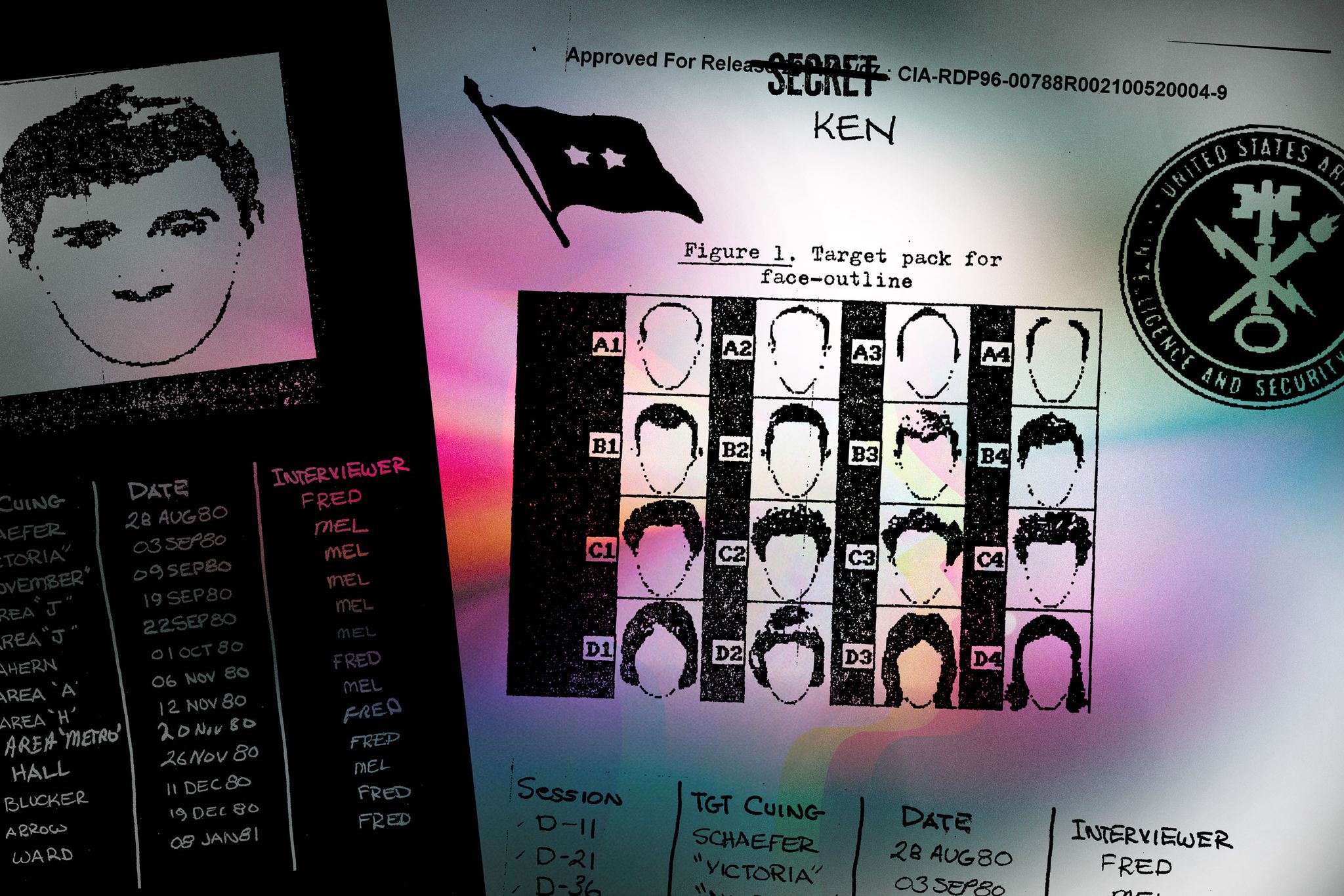
At the heart of Stargate, practitioners like Ingo Swann and Pat Price claimed to possess the power to perceive far-off locations that intelligence satellites and undercover spies struggled to access. Their endeavors drew the attention of an intelligence community on edge. Swann's reputed ability to describe distant sites, from CIA operations to hidden Soviet installations, conjured hope. Pat Price, another lauded figure, delivered alleged precise descriptions of Soviet military bases, evoking both intrigue and skepticism.
The transition of Project Stargate to the Defense Intelligence Agency signified its evolving role. Adaptation was key in this clandestine world, shifting focus to combat narcotics trafficking and other domestic issues as geopolitical lines blurred. Yet, as time wore on, critical insiders began demanding evidence of real-world application. Were these psychic gambits yielding actionable results? With blood and treasure on the line, skepticism brewed.

By the mid-1990s, an internal storm of doubt and evaluation culminated in the CIA's unceremonious dismantling of the project, citing ineffectiveness despite decades of research and funds. Mysticism gave way to realism; the program shuttered, leaving government halls to ponder what had been fact, fiction, or folly.
Even today, the narrative of Project Stargate spins a tantalizing web—part scientific exploration, part espionage mythos, all wrapped in a narrative that beckons the question of what other secrets linger in the recesses of governmental truth.
Timeline of Key Events

1970 — U.S. intelligence confronts Soviet investment in psychic research.
1972 — CIA funds remote viewing studies at Stanford Research Institute.
1973 — Initial successes of remote viewing trials generate interest.
1975 — Ingo Swann describes a distant location with startling accuracy.
1976 — Pat Price reportedly details a hidden Soviet base.
1978 — Project transitions to the Defense Intelligence Agency's oversight.
1980 — Rising skepticism prompts internal reviews of project validity.
1981 — Remote viewing sessions reportedly guide anti-narcotic campaigns.
1983 — Project is officially renamed 'Stargate Project'.
1984 — Media leaks spark public intrigue and academic skepticism.
1986 — A critical internal report questions scientific rigour and efficacy.
1987 — Redirected focus on civic inquiry and non-espionage topics.
1990 — Government commissions formal scientific validation study.
1992 — American Institutes for Research evaluate Stargate's productivity.
1993 — Study reveals inconsistent results; debate intensifies.
1995 — Final CIA report highlights lack of actionable intelligence.
1995 — Stargate Project is discontinued, marking an end of an era.
1996 — Declassified documents become available to the public.
1998 — Disclosures and memoirs of participants stir public conversation.
2001 — Renewed cultural fascination in psychic phenomena through new media adaptations.
2023 — Recently released FOIA documents spur renewed scholarly interest.
What Is Documented
In December 1972, at the behest of the CIA, work commenced at the Stanford Research Institute under the leadership of physicists Russell Targ and Harold Puthoff. Their mission was straightforward, albeit unprecedented: to scientifically validate the potential of remote viewing as a reliable intelligence tool. The catalyst was an admitted Russian expenditure north of 60 million rubles towards similar psychic research, a figure that underscored the perceived threat and parallel possibilities.
Key documents, including the STAR GATE Project Overview, detail the participation of celebrated individuals like Ingo Swann, whose purported remote viewing exploits received significant attention. Test results recorded instances where Swann described intricate details of critical sites, aligning remarkably well with existing military intelligence. Such documentation offered the CIA both tantalizing prospects and a quagmire of questions.
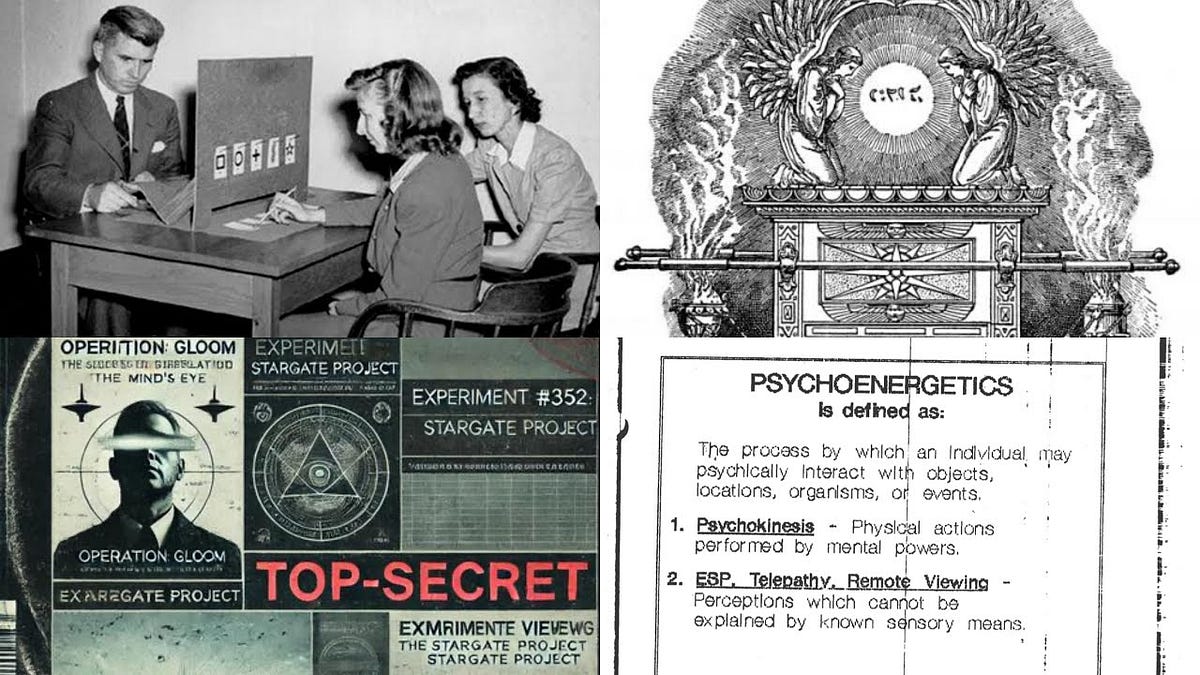
The Defense Intelligence Agency inherited the project in 1979, continuing the CIA's pursuit of remote viewing capabilities despite growing internal scrutiny. This allowed the project to explore beyond traditional espionage, including drug enforcement efforts. However, not all findings were glowing; an internal 1986 review criticized the scientific protocols and reproducibility of the sessions, suggesting practical application was limited at best.
American political oversight culminated in 1995 when, under mounting pressure, the CIA commissioned an independent review. The American Institutes for Research found no evidence that justified the investment in remote viewing as an efficacious intelligence tool, leading to the project’s cessation. Despite this, newly released CIA records continue to reveal nuances and capture the imagination of those curious about its peculiar history.

What Has Been Alleged
Among the boldest allegations post-Project Stargate are claims by former associates who assert that the project yielded numerous, undisclosed successes. These voices lay allegations of select operations—allegedly guided by remote viewers—that reportedly redirected major military and tactical decisions, undetected by conventional surveillance or documentation.
A recurrent whisper in the corridors of conspiracy theorists is the assertion made by individuals like Joseph McMoneagle, a noted participant, who claims that crucial events and intelligence were directly altered due to psychic input. Mystical prognostications that detailed forthcoming international affairs added fuel to this claim, although confirmation remains absent.
Further allegations also revolve around accusations of suppressed breakthroughs. Some assert that prior to the synthesis of the program, tangible, albeit classified, accomplishments remained shelved. Possible motivations for this suppression include maintaining a strategic upper hand or the conventional intelligence executives’ reluctance to endorse less traditional methodologies. However, due to classified silences and lack of forensic corroboration, these claims hover in the speculative sphere.

While these claims add layers of intrigue to the already complex Stargate narrative, the absence of concrete corroborative evidence ties them firmly to the realm of conjecture, leaving open-ended inquiries lingering within historical dialogue.
What Remains Disputed
Project Stargate's narrative is fraught with disputes, resulting in a controversial standing within intelligence chronicles. Official findings clearly articulated a dismissive view of remote viewing's practical utility. The American Institute for Research's conclusive report famously stated that the yields from Project Stargate did not support the investment of resources or trust bestowed upon it.
However, staunch defenders within former operative ranks contest this dismissive stance, pointing to a range of unpublicized scenarios where remote viewing purportedly provided valuable insights. These former insiders suggest bureaucratic inefficiencies and scientific biases skewed otherwise promising indicators, overshadowing valid remote viewing occurrences.
Further, the scientific community remains divided on classifying remote viewing as pseudoscience or as an embryonic science needing tougher research protocols to flourish. Critics cite methodological flaws as the Achilles' heel of the operation and maintain that these undermined the integrity and reliability of outcomes.

These disputes across both official and independent lines maintain Stargate's status as a contentious chapter in the annals of clandestine experiments, straddling the line between empirical inquiry and visionary experimentation.
What Was Later Confirmed
Some initially speculative elements of Project Stargate were substantiated through eventual informational release or admissions by involved officials. One significant confirmation involved the degree of investment by the U.S. government, only made public much later, revealing serious institutional belief—even if unproven—in the latent potential of psychic intelligence.
Moreover, declassified transcripts from select remote viewing sessions that had once been the subject of rumor confirmed the existence of several 'successful' episodes, reported with a mixture of skepticism and hope, suggesting their classification stemmed from their contentious nature more than impossibility.
These unveiled truths underscored the extent of Project Stargate's venture; what couldn't be immediately endorsed through orthodox intelligence measures became a point of fascination even post-termination. Stark revelations stirred dialogues previously dismissed and influenced subsequent considerations regarding unexplored intersections between cognitive capacities and intelligence operations.

While outcomes remained largely inconclusive, these confirmations framed Stargate as both a cautionary test of scientific boundaries and societal trust in structured theoretical advances.
Common Myths & Exaggerations
Among the persistent myths around Project Stargate is the belief that it was a universally acknowledged success within the intelligence community. The reality, however, is quite nuanced. While there existed episodic achievements that insiders eventually confirmed, the grand narrative of dominance through psychic intelligence remains exaggerated.
Another widely circulated notion is that the science of remote viewing was entirely discredited along with Stargate's closure. While many scientific evaluations rightly critiqued methodologies and results, not all findings were dismissed. Some data collected during controlled experiments continues to garner cautious optimism for potential, albeit not immediate, practical applications.
The perception that moral and legal controversies abruptly ended the program is also a misconception. Instead, a combination of fiscal redirection, operational inefficiency, and a lack of consistent actionable intelligence prompted its cancellation.
These myths, fueled by media portrayals and popular misconceptions, point to the importance of delineating facts from fiction, especially in topics shrouded in secrecy and partial truths. They serve as a reminder of the necessity to sift through sensationalist portrayals for the substantive kernels of truth.
Why It Matters
Project Stargate stands as a seminal exploration of the unexplored potentials of the human mind. In its attempt to formalize psychic abilities as reliable tools of espionage, it interacted with science and intelligence in innovative ways. Its significance lies not in confirmed outcomes but in the willingness to question boundaries within a pragmatic framework.
From today's vantage, Stargate adds insight to the discussion on governmental transparency. The lessons it teaches about public accountability resonate particularly amid current debates concerning data privacy, psychological research, and digital ethics. Recognizing the nature and scale of such clandestine projects shapes our understanding of governmental reach and decision-making principles.
Moreover, Project Stargate symbolizes the relentless curiosity driving intelligence development, even against natural skepticism. It is a cautionary tale exemplifying the interplay between exploration and empirical validity. As technology provides new forms of understanding human consciousness, Stargate's story finds echoes in contemporary sectors seeking to unlock neural connections and predictive potentials; drawing relevant parallels to present innovations in artificial intelligence and cognitive science.
Thus, Stargate continues to surface questions about how far humanity and its institutions might stretch in unfolding layers of latent potential, challenging us to balance scientific curiosity with ethical responsibility.
Connections to Other Archive Entries
The ethos of Project Stargate aligns closely with other psychological experiments of its era, most notably, the infamous MK-Ultra program that delved into mind control quagmire. Both programs were instigated by the same underlying strategic mistrust and Cold War exigencies.
This nexus evidences a trend in mid-century American intelligence toward exploring the fringes of science where outcomes sat precariously between breakthrough and boondoggle. Such programs contributed collectively to the articulation of boundaries testing permissible scientific inquiry versus human ethics.
Further, Stargate shares thematic parallels with contemporary endeavors in advanced analytics and AI, where the drive toward operating at the edge of known capacities recalls its exploratory spirit, albeit with technology replacing telepathy. Examining these connections through Stargate's lens enables a reflective appraisal of modern pursuits in both intelligence projection and scientific advancement.
Sources & References
PRIMARY SOURCES
SECONDARY SOURCES
The Hidden History Archive is part of The Beacon Wire entertainment and informational platform. All archive articles are based on public sources, declassified documents, court records, and reputable journalism. Facts are clearly separated from allegations, disputed claims, and unsupported speculation. Nothing in this archive should be interpreted as legal advice or as incitement to harm. Readers are encouraged to consult primary sources directly.
We use cookies to improve your experience and analyze site usage. See our Cookie Policy for details.